Start with one problem, not the whole apartment
Choose something concrete: shoes blocking the entry, pans that are hard to reach, or linens crowding the closet. Count what needs a home and remove items that belong elsewhere. Write down the available dimensions before looking for storage. This turns a vague wish for more space into a manageable task.
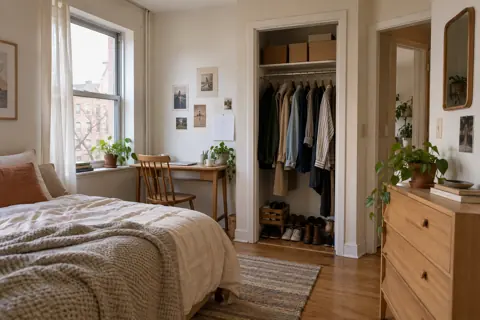
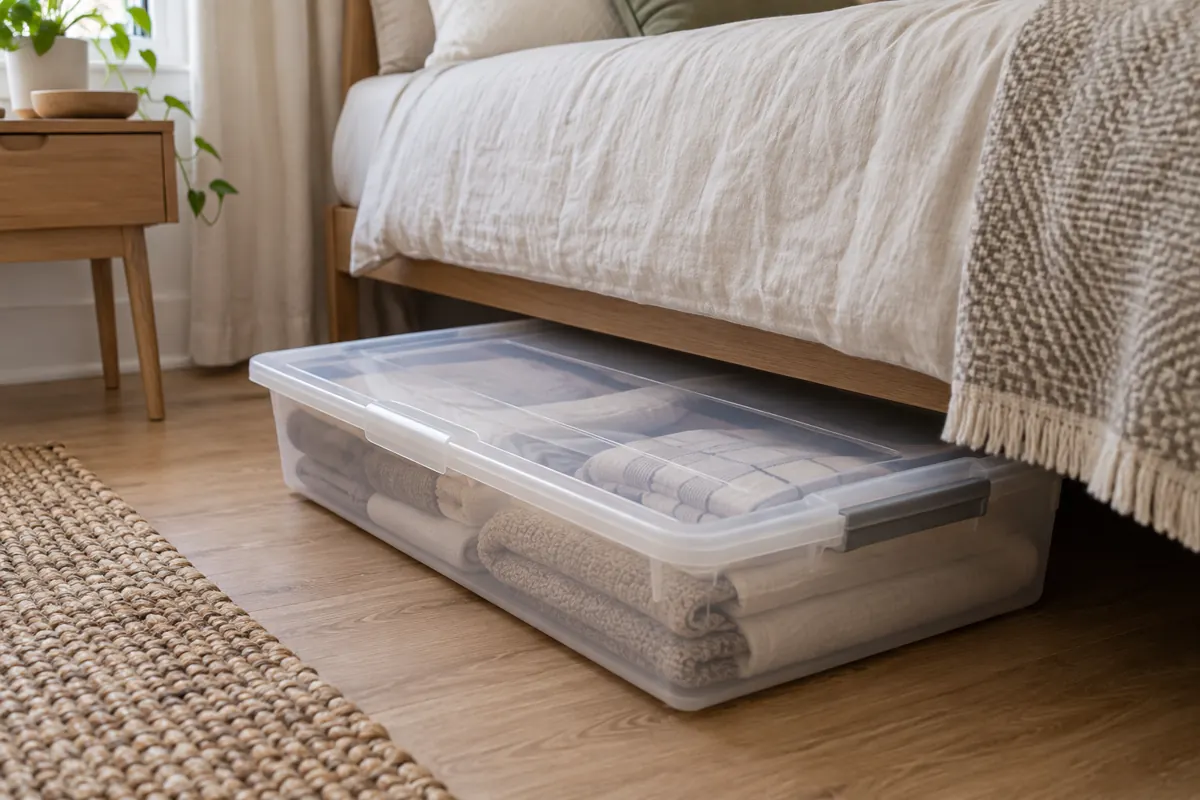
Use under-bed space for occasional items
Measure the clearance at the lowest part of the bed frame and check that you can slide a container out without moving furniture. Store fully dry linens, off-season clothes, or seasonal decorations in covered containers. Keep things you need every day somewhere more accessible. Do not block airflow or access required by your bed's design.
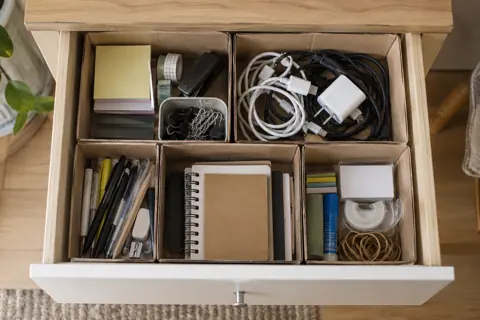
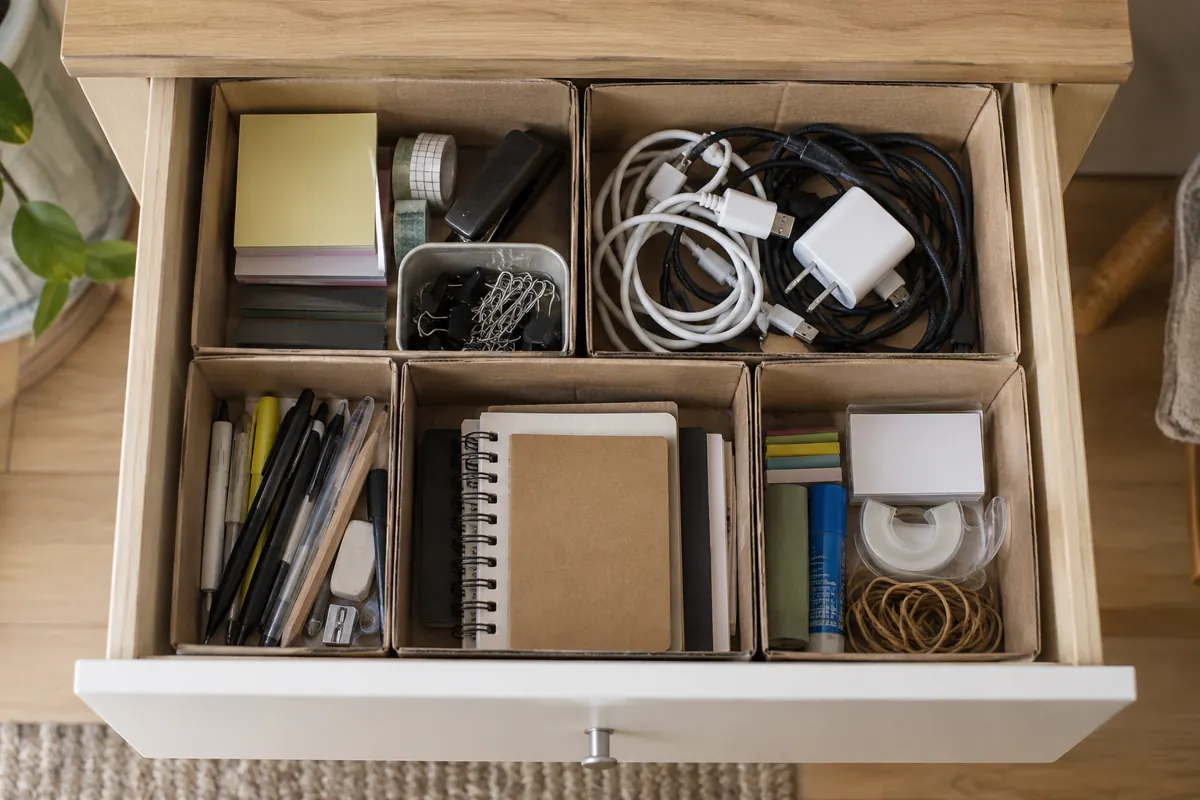
Divide existing drawers
Small boxes or containers can separate cables, kitchen tools, socks, or stationery. Clean them first and trim away any sharp edges if repurposing packaging. Fit the arrangement with the drawer closed before filling it. For food-contact items, use containers appropriate for that purpose rather than random packaging.
Add a second level inside cabinets
A suitable freestanding shelf insert may help you use the height above short items. Measure the inside of the cabinet and check the insert's dimensions and load limit. Keep heavy cookware low and avoid stacking items so high that removing one becomes awkward. Leave room for hinges and any ventilation the cabinet contents require.
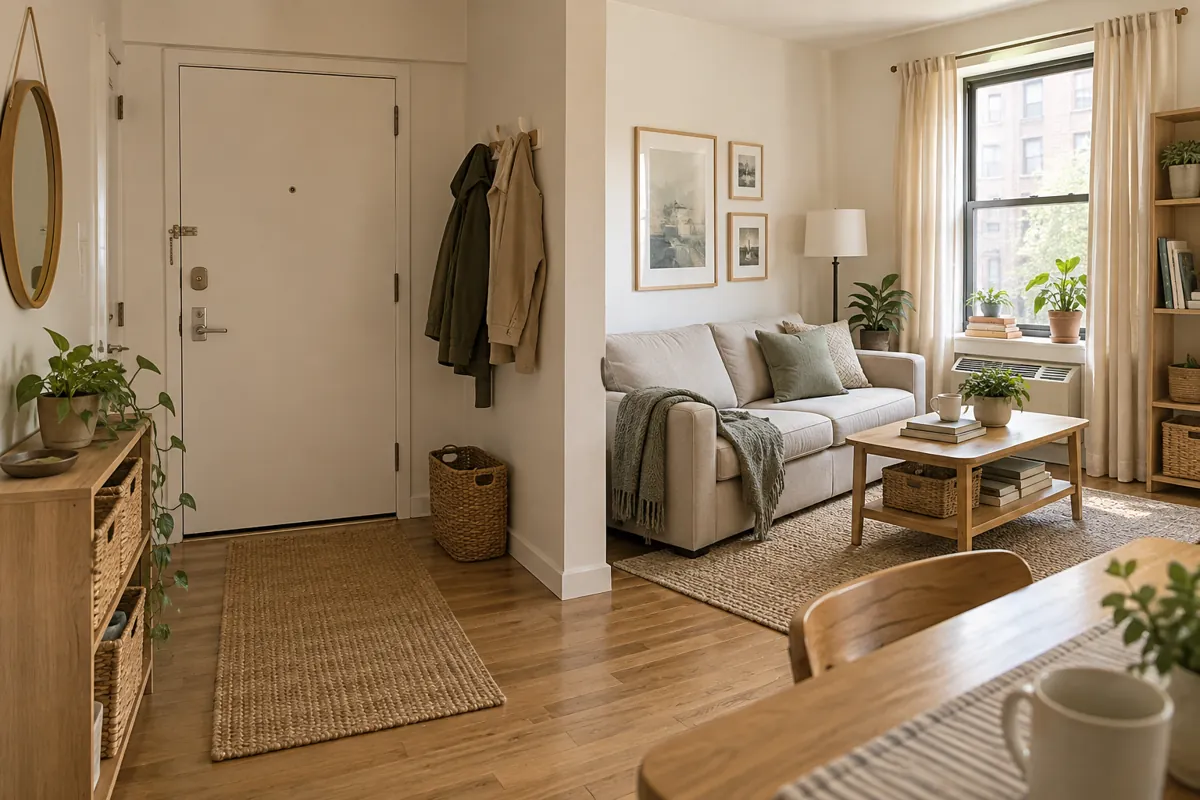
Create a small entry drop zone
Use a bowl you own for keys and one low basket for items that need to leave the house. Keep the basket out of the walking path and empty it regularly. For shoes, reserve space for the pairs currently in use and keep occasional pairs elsewhere. A narrow hallway should stay easy to move through; do not add a bench just because it offers storage.
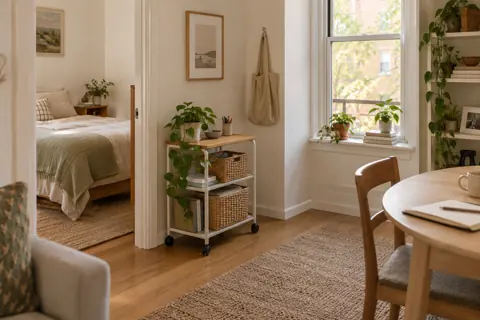
Make existing furniture work harder
If a coffee table already has a lower shelf, use one container for remotes and another for a current hobby. Keep table surfaces usable. When you eventually replace furniture, consider whether built-in storage would solve a real problem, but do not buy a new piece just to store things you could reduce or relocate.
Use height without creating instability
Existing wall shelves can hold lightweight, occasional items within their rated load. For freestanding furniture, follow the manufacturer's anchoring instructions and get rental permission where needed. Never treat tall unsecured shelving as a no-drill workaround. Keep heavy items low and leave a safe way to reach upper storage.
Check a purchase before you make it
A low price is only useful if the item fits and gets used. Compare the total delivered cost, check return conditions, and look at the inside dimensions as well as the outside size. Try an existing box in the intended spot for several days first.
- What exact items will this hold?
- Can I access it without moving other storage?
- Will it fit if I move to another rental?
- Can I solve the problem without buying anything?
Keep a little space free
Leave room to put things away without squeezing or balancing them. Revisit one crowded spot each week and adjust the system if it is hard to maintain. Begin with a single measured space today; a storage solution should make everyday life easier, not simply add another object to the room.